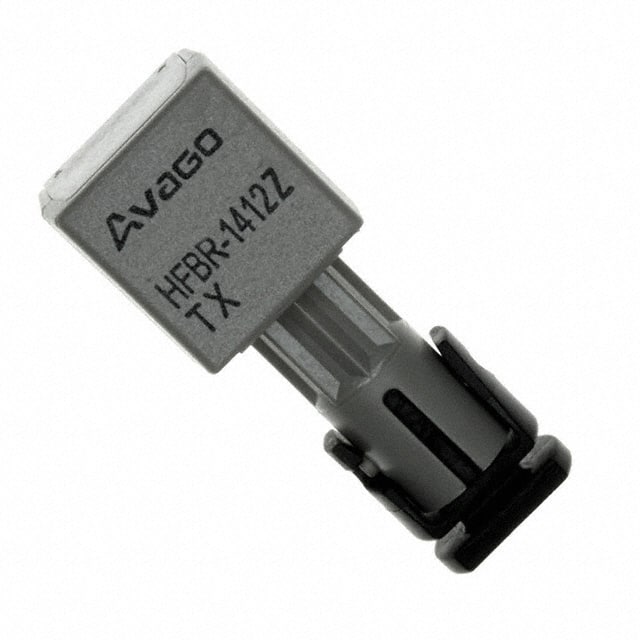
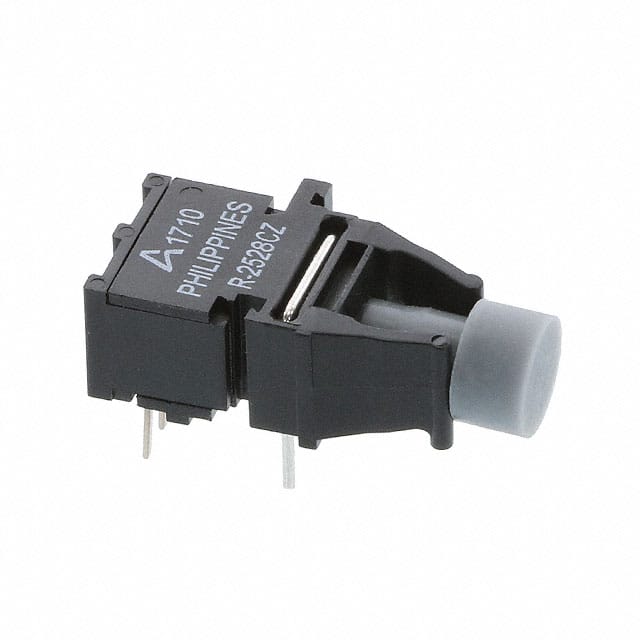
Light helps send information along tiny glass wires called fiber optic cables. These light signals need a special piece to connect computers. It's called a fiber optic transceiver, and it's like a small box that plugs into network equipment. This important box takes the electrical signals from your computer.
Then it changes those signals into light pulses to travel down the fiber cable over distances. The box on the other end catches the light flashes. It turns those light signals back into electrical messages a computer can easily understand and use.
Understanding these different types of light connectors is important for setting up fast networks. This article will explain the main types based on simple features.
What makes one fiber optic transceiver type different from another?

All of them perform the basic job of changing electrical signals to light and light back to electrical. Their differences come from several key features they have.
One feature is their shape and size. This affects where they can plug into networking devices like switches or servers.
How much data they can send or receive each second is another big difference.
The maximum distance the light can travel reliably is a third important feature.
Whether they work with multi-mode or single-mode fiber cable is also a key difference.
The color of light they use inside can be different too.
Lastly, the tip where the fiber cable physically connects is another way they differ. These features get put together to give a transceiver a specific name, like a "100G" type with a certain plug shape.
The shape of the transceiver box is a main way to tell them apart.
Different shapes have been created over time to handle faster speeds and fit more connections onto network gear.
By Form Factor that Physical Size and Interface

The SFP family is a common group used for normal and faster speeds because they are small.
The original SFP shape was mostly used for 1 Gigabit connections.
SFP+ is a better version that handles faster 10 Gigabit speeds. It uses the same small size, which lets network boxes have many 10 Gigabit ports.
SFP28 types work with 25 Gigabit speeds using just one lane of data. They can fit into SFP+ slots if the equipment supports the faster speed.
SFP56 types handle 50 Gigabit speeds using a newer way to send data over one lane. They are sometimes used to build faster 200G or 400G connections in parts.
SFP-DD is a newer shape in this family that has extra contacts. It can handle two lanes of data for speeds like 100 Gigabit or 200 Gigabit in the same small size.
The QSFP family is made for sending even higher speeds by using multiple data paths.
QSFP+ types handle 40 Gigabit speeds by putting together four 10 Gigabit lanes. They can send light over many fibers or use different light colors over two fibers.
QSFP28 is the most common shape for 100 Gigabit speeds, using four 25 Gigabit lanes. It has different versions for various fiber types and distances.
QSFP56 types handle 200 Gigabit speeds using four lanes that each send data faster.
QSFP-DD makes the QSFP shape bigger inside to handle eight lanes of data. This allows for very fast 200 Gigabit or 400 Gigabit connections in a dense way.
QSFP112 is a new shape coming out that supports 400 Gigabit using four even faster lanes.
The CFP family includes older, bigger shapes first made for 40G and 100G. They are not used as much in crowded data centers now since QSFP came along. This group includes the original CFP, smaller CFP2, even smaller CFP4, and larger CFP8 types.
Other important shapes exist too.
XFP is an older shape for 10 Gigabit, bigger than SFP+. GBIC is a very old, large shape for 1 Gigabit that isn't used anymore. CSFP is an SFP shape that can send and receive over just one fiber wire. OSFP is a new shape, a bit bigger than QSFP-DD, designed for the very highest speeds like 400G and 800G.
also read:What is the difference between QFP and LQFP package?
By Data Rate
How fast the transceiver can move data is a clear way they are different.
These speeds match standard network speeds used today. Common speeds range from normal internet speeds up to hundreds of billions of bits per second. Faster network speeds require transceivers built to handle that much data flow.
The furthest distance a transceiver can send light matters a lot for connecting different places. This distance depends on the type of fiber cable it uses and the light technology inside.
By Transmission Distance and Fiber Type
Multi-Mode Fiber (MMF) types are for shorter distances, usually inside buildings like data centers. They use MMF cables which have a wider core, letting light travel in different ways. A common light color used here is 850nm.
Distance is limited because light signals can spread out inside the wider cable. Different levels of MMF cable (like OM1 to OM5) allow light to travel different distances at certain speeds. Special lasers that are less expensive are often used for MMF.
Types named "SX" or "SR" usually mean short distance over MMF. A 1 Gigabit type might go up to 550 meters. A 10 Gigabit type often goes up to 300 meters on newer MMF cable. Faster 400 Gigabit types also have versions for short distances over MMF.
Single-Mode Fiber (SMF) types are for longer distances, connecting buildings or cities.
They use SMF cables which have a very thin core, guiding light along just one path. This helps the light signal stay clear over very long distances. Common light colors used here are 1310nm and 1550nm. Special lasers that can send light signals clearly over long paths are used for SMF.
Types named "LX," "LR," "ER," or "ZR" usually mean longer distance over SMF. A 1 Gigabit type might go up to 10 kilometers. A 10 Gigabit type can go 10 kilometers, 40 kilometers, or even 80 kilometers depending on the version. Faster 100 Gigabit and 400 Gigabit types also have versions for these longer distances. Very special types can go much, much farther using advanced technology.
By Different Light Color Tricks
Beyond the usual light colors, transceivers can use different light color tricks.
Normal types send light over two fibers, one for sending and one for receiving.
Bi-Directional (BiDi) types use two different light colors to send and receive over just one fiber wire, doubling its use.
WDM types are used when you send many data channels using different light colors all down the same fiber wire.
CWDM types use a few light colors spread far apart to add more channels over medium distances.
DWDM types use many light colors packed very close together to send huge amounts of data over very long distances.
By plug
The plug on the transceiver where the fiber cable connects is another way they differ.
The cable plug must match the transceiver's connector type exactly.
The LC connector is the most common small plug used on many types of transceivers.
The SC connector is an older, bigger plug sometimes still seen.
The MPO or MTP connector is a wider plug that holds many tiny fibers inside. These are used with faster transceivers that send data over several fibers at the same time.
Conslusion
There are many types of fiber optic transceivers because networks have different needs for speed, distance, and cable type. Each type has a specific shape, speed, distance ability, works with a certain fiber type, uses particular light colors, and has a specific plug.
Understanding these differences helps in choosing the right transceiver to make sure your network connections are fast and work correctly. As data needs keep growing, these transceiver types will keep getting faster and smaller.