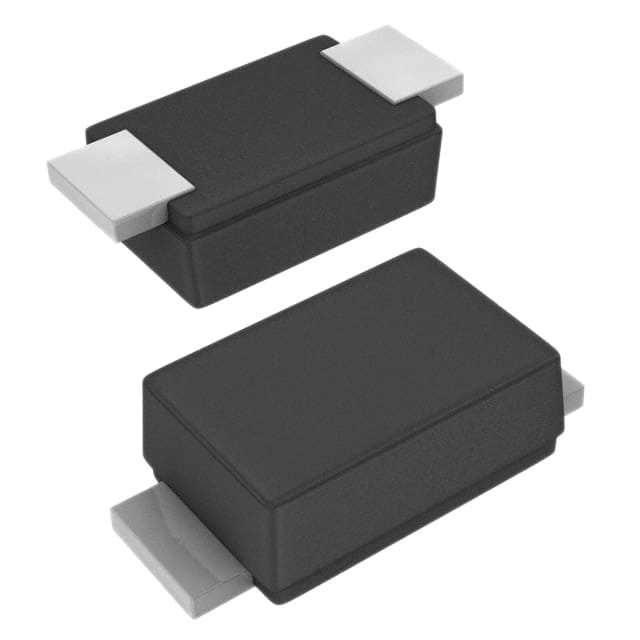
Selecting the right DC-DC buck converter is far more than a technical specification exercise. This guide offers clear, actionable insights into how brand choice, model selection, certifications, and packaging all influence cost, reliability, and supply chain stability. By combining industry data, proven best practices, and practical comparisons, it helps you make smarter, more strategic sourcing decisions — minimizing risk, controlling total cost of ownership, and ensuring long-term product success.
Why Choosing the Right DC-DC Buck Converter Matters in Procurement
For procurement professionals, sourcing a DC-DC buck converter can feel deceptively simple — after all, it’s “just a voltage regulator.” Yet industry data suggests otherwise. According to a 2024 IPC reliability study, procurement errors in power components accounted for nearly 18% of warranty claims in industrial equipment and 22% in automotive electronics over a 3-year span.
One automotive Tier-1 supplier learned this the hard way in 2024: sourcing uncertified converters from unauthorized distributors to save costs led to EMC compliance failures in the field, ultimately costing the company over $400,000 in rework and fines.
These examples underscore that procurement is more than comparing specs and price. Supply chain volatility, counterfeit risks, and model obsolescence demand a more strategic, informed approach.
DC-DC Buck Converter Brand Comparison: Strengths and Weaknesses

Not all buck converters — or brands — are created equal. Buyers should evaluate not only the datasheet but also supply chain resilience, lifecycle support, and certifications. Below is a comparative overview of leading brands based on 2024 market data and buyer experiences:
| Brand | Positioning | Recommended Applications | Buyer Insights |
|---|---|---|---|
| Texas Instruments (TI) | Versatile, industrial/automotive-grade, stable | Industrial control, telecom, automotive | ~21% market share, 10–15 year lifecycles, AEC-Q100 |
| Analog Devices (ADI) | High precision, low noise | Medical, instrumentation, RF systems | Excellent support, low EMI, premium quality |
| Murata | Compact, modular, fast-to-market | Embedded systems, rapid prototyping | Plug-and-play SIP/DIP modules, higher unit cost |
| Vicor | High power density, premium | Data centers, defense, EVs | Efficiency >96%, long lead times |
| Onsemi | Budget-friendly, consumer focus | White goods, low-end consumer electronics | Volatile lifecycle, discontinued NCP3065 |
| STMicroelectronics (ST) | Balanced, reliable mid-market | Industrial, mixed applications | Wide availability, safe mid-tier choice |
| MPS (Monolithic Power) | Value-driven, high integration | Consumer electronics, audio devices | Growing in consumer market, certification gaps |
For long-term or regulated applications, prioritize TI, ADI, or ST for their lifecycle and certification programs. For short-term or disposable designs, Onsemi or MPS can be acceptable.
DC-DC Buck Converter Model Selection Guide for Buyers
Beyond the brand, choosing the right model requires understanding key parameters, compliance needs, and lifecycle expectations. A well-structured evaluation process can reduce project risk and procurement headaches later.
| Brand | Model | Input Voltage | Output Current | Package | Efficiency | Notes |
|---|---|---|---|---|---|---|
| TI | TPS5430 | 5.5–36V | 3A | TO-263 | 95% | Long lifecycle, AEC-Q100 compliant |
| ADI | LT8610 | 3.4–42V | 2.5A | MSOP | 96% | Low EMI, high precision |
| Murata | OKI-T/3 | 4.5–14V | 3A | SIP module | 94% | Modular, fast to implement |
| Vicor | PI3740 | 8–60V | 10A | BGA module | >96% | Ultra-high power density |
| MPS | MP1584 | 4.5–28V | 3A | SOIC | 91% | Budget-friendly, consumer grade |
What if the original model is discontinued?
Obsolescence is a common risk: Onsemi’s NCP3065 discontinuation left many buyers scrambling. Buyers should:
Request manufacturers’ Product Change Notices (PCNs) and End-of-Life (EOL) forecasts.
Identify 2–3 verified pin-compatible alternates.
Use JEDEC JESD47 lifetime validation to ensure long-term reliability.
Why do certifications matter?
AEC-Q100 (automotive), UL (safety), and RoHS/REACH (environmental compliance) are mandatory in regulated markets. Using non-compliant parts can result in failed audits, liability, or import rejections.
Always request Certificates of Conformance (CoC) and verify batch traceability before issuing a PO.
Common Procurement Pitfalls — and How to Avoid Them

Even experienced buyers fall victim to these pitfalls:
| Pitfall | Consequences | Mitigation |
|---|---|---|
| Chasing the lowest price | Counterfeits, poor QC, no warranty | Stick with authorized distributors; verify CoC |
| Ignoring lifecycle status | Mid-project shortages, redesign costs | Check lifecycle/EOL status upfront |
| Skipping certification checks | Non-compliance, fines, warranty claims | Specify certifications in RFQ and contracts |
| Buying from grey market | No recourse on defects, legal risks | Audit suppliers and request OEM authorization letters |
If it’s 30% cheaper than authorized channels, it’s probably not the same part.” — IPC-A-610D Guidance.
Impact of DC-DC Buck Converter Package Type
For procurement teams, the package type of a DC-DC buck converter is more than just a form factor — it directly influences production yield, assembly speed, and total manufacturing cost. Selecting the right package ensures your converters integrate seamlessly with your manufacturing processes and minimizes hidden costs associated with poor fit.
Converters in surface-mount (SMD) packages, such as QFN or SOIC, are ideal for automated SMT lines due to their compact footprint and compatibility with high-speed pick-and-place machines. Conversely, through-hole packages like TO-220 and SIP modules, while robust and easy to hand-solder, increase manual labor and slow down throughput in mass production.
Below is a comparison of common buck converter packages from a manufacturing perspective:
| Package Type | Advantages | Drawbacks | Recommended Use Case |
|---|---|---|---|
| QFN | High density; excellent thermal performance; optimal for high-speed SMT | Requires precise placement and reflow control | Automotive, telecom, high-volume industrial |
| SOIC | Easy to handle; good SMT compatibility; lower cost than QFN | Larger footprint; lower power density | Consumer electronics, general industrial |
| TO-263 | Robust; familiar through-hole alternative with SMT-like process | Bulky; less suited for high-density boards | Low- to medium-volume industrial |
| SIP Module | Plug-and-play; minimal design effort; ideal for prototypes | Not optimal for automated lines; higher per-unit cost | Prototyping, maintenance, low-volume repairs |
| TO-220 | Excellent heat dissipation; easy manual soldering | Labor intensive; incompatible with SMT | Legacy systems, low-volume repairs |
When sourcing DC-DC buck converters for high-volume automated assembly, prioritize QFN or SOIC packages to reduce placement errors and maximize SMT throughput.
Selecting the appropriate package aligned with your EMS provider’s process is key to optimizing both procurement and production efficiency.
Conclusion
Sourcing the right DC-DC buck converter is a strategic decision that goes beyond specs and price. By understanding brand strengths, model lifecycles, certifications, and package impacts, you can avoid common pitfalls and ensure reliable, cost-effective supply.
In a volatile market, buyers who prioritize authorized channels, long-term support, and manufacturing compatibility achieve better outcomes than those chasing the lowest bid.