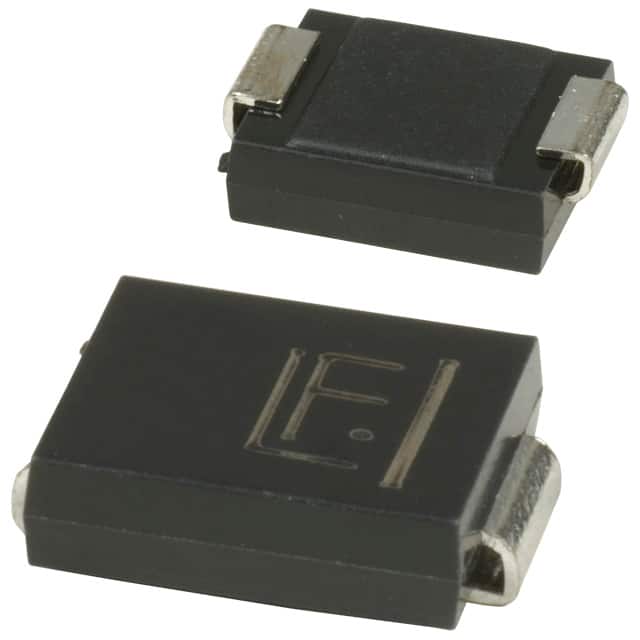
A DC power converter, often called a DC-DC converter, is a fundamental component in modern electronics, enabling devices to operate efficiently and safely by converting direct current (DC) voltage from one level to another.understanding how DC power converters work is essential for designing, selecting, and troubleshooting electronic systems. This article provides a comprehensive, authoritative, and practical guide to DC power converters, including their working principles, types, applications, and best practices.
Understanding the Basics of DC Power Converters

A DC power converter is an electronic circuit that changes the voltage level of DC electricity. This process is crucial because most electronic devices require specific voltage levels to function correctly, while power sources like batteries or solar panels may provide different voltages. For example, a smartphone may need 3.7V, but a USB charger supplies 5V-requiring a converter for safe charging.
DC-DC converters are distinct from AC-DC converters:
- DC-DC converters adjust DC voltage levels.
- AC-DC converters (rectifiers) transform alternating current (AC) from the grid into DC.
also read:Do Transistors Convert DC to AC?
How Does a DC Power Converter Work?
At its core, a DC-DC converter uses high-speed electronic switches such as MOSFETs, inductors, and capacitors to efficiently transfer energy from the input to the output while changing the voltage. The most common method is pulse-width modulation (PWM), which rapidly switches the current on and off, storing and releasing energy in inductors and capacitors to achieve the desired output voltage.
Key components:
- Switching element: Controls the flow of current (e.g., MOSFET).
- Inductor/transformer: Stores energy temporarily.
- Capacitor: Smooths the output voltage.
- Controller: Regulates switching to maintain stable output.
Typical Buck Converter Circuit Diagram
Vin ----+-----+---------+------ Vout
| | |
[SW] [L] [C]
| | |
GND +---[D]---+
|
GND
[SW]: Switch (MOSFET/transistor)
[L]: Inductor
[D]: Diode
[C]: Capacitor
This approach ensures high efficiency-often 80–95%-and precise voltage regulation, which is critical for sensitive electronics.
Types of DC Power Converters
DC power converters come in several types, each suited to specific voltage conversion needs:
| Converter Type | Function | Typical Use Case | Voltage Range |
| Buck | Step-down | Powering microcontrollers | 12V to 5V, 5V to 3.3V |
| Boost | Step-up | LED drivers, battery-powered devices | 3.7V to 5V, 5V to 12V |
| Buck-Boost | Step-up/down | Automotive, portable electronics | 3V to 12V, variable |
| Cuk, SEPIC | Flexible | Specialized industrial equipment | Wide range |
| Isolated | Galvanic isolation | Medical, telecom, industrial safety | Variable |
Buck converters lower voltage, boost converters increase it, and buck-boost can do both. Isolated converters use transformers to separate input and output circuits for safety and noise reduction.
Isolated vs Non-Isolated DC-DC Converters
Isolated converters provide electrical separation between input and output, which is crucial for safety in medical, industrial, or telecom systems.
Non-isolated converters are simpler and more efficient but do not offer this protection.
Key Applications of DC Power Converters
DC power converters play a vital role in a wide range of modern technologies, making them indispensable in our daily lives and industrial systems.
In the field of consumer electronics, DC power converters ensure that devices such as smartphones, tablets, and laptops receive the precise voltage they need for both charging and operation. As electronic devices become more compact and energy-efficient, the demand for reliable voltage conversion continues to grow.
The automotive industry also relies heavily on DC power converters. Electric vehicles use these converters to manage the different voltage levels required by their battery systems, infotainment units, and advanced lighting solutions like LEDs. Effective voltage conversion is crucial for both vehicle performance and safety.
Renewable energy systems are another major area where DC power converters are essential. In solar power installations, for example, converters help optimize energy transfer by matching the voltage from solar panels to that required by batteries or the electrical grid. This not only maximizes energy efficiency but also ensures stable and reliable operation of the entire system.
Medical devices depend on DC power converters to provide safe and stable power supplies. Portable monitors and imaging equipment require precise voltage regulation to function accurately, as even minor fluctuations can affect performance or patient safety.
Finally, in industrial environments, DC power converters support robotics, automation systems, and other machinery by delivering robust and efficient power. They help maintain consistent operation even in demanding conditions, contributing to higher productivity and reduced downtime.
Case Example:
In solar energy systems, a DC-DC converter maximizes power extraction from panels (MPPT) and matches battery storage voltages, improving overall efficiency and reliability.
Main Performance Parameters and Selection Criteria
When selecting a DC power converter, consider:
Efficiency: Higher efficiency reduces heat and energy loss.
Voltage regulation: Ability to maintain stable output under varying loads.
Input/output voltage range: Must match your power source and device requirements.
Isolation: Needed for safety-critical or noise-sensitive applications.
Size and thermal management: Important for compact or high-power systems.
Practical Tip:
Always check the converter’s datasheet for maximum current and thermal limits. Oversizing by 20–30% can improve reliability in demanding environments.
Representative Product: LSP 100K DC-DC Converter
The LSP 100K DC-DC converter, developed by Lux Power Tech, is frequently cited in the industry as a practical example of a modern, high-capacity DC power converter. It is commonly used in commercial solar power systems, where it manages the transfer of energy between solar panels, battery storage, and the grid.
With its ability to handle up to 100 kW of DC output and accommodate large photovoltaic inputs, the LSP 100K addresses the typical requirements of large-scale renewable energy projects. Its bidirectional design allows for both charging and discharging of batteries, supporting flexible energy management strategies.
This product reflects the current direction of DC power converter development, focusing on efficiency, reliability, and integration within complex energy systems.
Common Mistakes and Troubleshooting Tips
Typical errors:
Using a converter with the wrong voltage/current rating.
Ignoring isolation requirements in sensitive applications.
Poor heat dissipation design leading to overheating.
Neglecting input voltage fluctuations or transient protection.
Troubleshooting steps:
Check input and output voltages with a multimeter.
Inspect for overheating or physical damage.
Verify load requirements and compare with converter specs.
Ensure proper grounding and layout to avoid noise issues.
Prevention:
Always match converter specs to your application.
Use heatsinks or fans for high-power converters.
Follow manufacturer guidelines for PCB layout and filtering.
Conclusion
DC power converters are indispensable in today’s electronic landscape, enabling safe, efficient, and flexible power delivery across countless applications. By understanding their operation, types, selection criteria, and common pitfalls, you can make informed decisions-whether you’re designing a circuit, specifying components, or troubleshooting systems. Apply these insights to ensure your projects are both reliable and high-performing.