Resistors are an essential element in electronics, controlling current flow and voltage. Engineers designing circuits must choose between two primary types of resistors: fixed and variable.
While both serve a similar function, their differences determine how they're applied in various situations. Let's explore five critical distinctions between them from a practical, real-world viewpoint.

Resistance Values: Set or Variable?
One key distinction between fixed and variable resistors is their resistance values.
Fixed resistors are manufactured with consistent resistance values that remain the same over their lifespan, making them perfect for circuits requiring unchanging resistance values.
Fixed resistors are essential in maintaining stable power supplies over time by helping regulate current levels. Voltage dividers use fixed resistors as reliable voltage sources that ensure their circuit performs as intended.
Variable resistors provide greater flexibility by enabling users to alter the resistance value in real time, giving more excellent options in applications where resistance changes may be necessary.
Audio equipment provides a perfect example, where variable resistors (commonly referred to as potentiometers) allow users to control volume levels. They're also often employed in lighting dimmers to alter brightness by controlling current flow.
Case Examples: When to Choose Which?
The application of resistors depends mainly upon their adjustment needs.
Fixed resistors are the go-to choice for most consumer electronics and devices, such as power distribution systems, in which resistance does not need to change over time. Electrical components receive adequate current by providing steady current flow through fixed resistors.
Signal processing circuits, such as televisions, radios, and home appliances, rely on fixed resistors to preserve the integrity of signals by offering stable and consistent resistance levels.
Variable resistors are typically utilized in applications requiring flexibility and control, such as stereo system volume controls, which enable users to easily adjust audio levels; calibration circuits use variable resistors to fine-tune sensors for accurate readings under various environmental conditions, etc.
Variable resistors are essential in temperature-sensitive circuits, where resistance needs to be adjusted depending on external influences.
Design and Size: Compact Vs. Adjustable
Each resistor's physical design varies significantly, making one more suitable than another for particular environments.
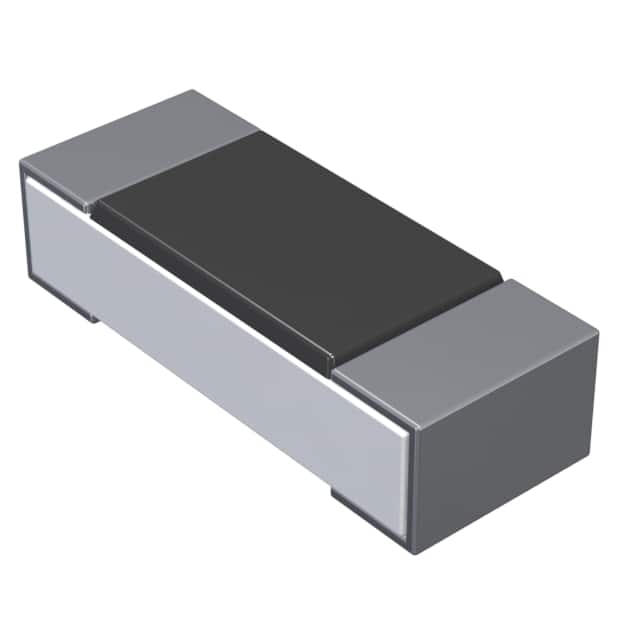
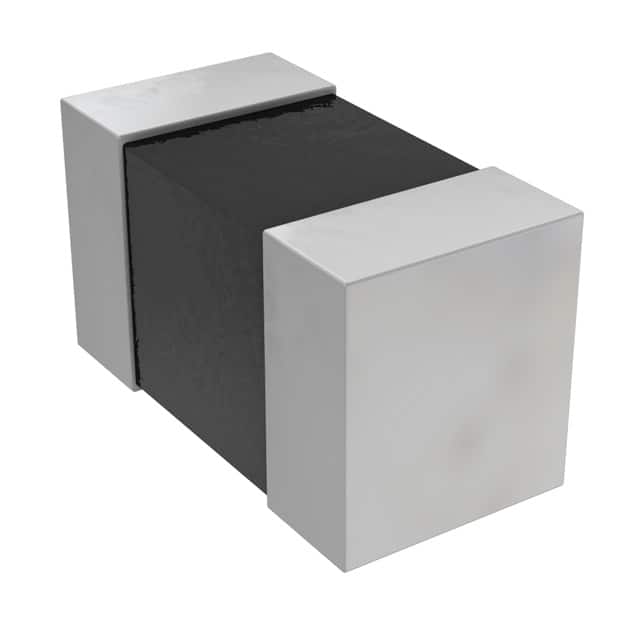
Fixed resistors tend to be simple and compact in design, consisting of either a cylindrical or rectangular body connected by two leads and usually featuring low costs and reliable performance. Their compactness contributes to their cost-efficiency and high-reliability ratings.
Fix resistors' straightforward design makes them easily integrateable into most circuit boards without taking up too much space, which is essential in consumer-grade electronics where space may be at a premium.
Variable resistors tend to be bulkier due to their adjustable mechanisms, typically featuring rotary knobs or sliding mechanisms that take up additional space in a circuit. As such, variable resistors may not be optimal in applications where space efficiency is of key concern.
Variable resistors are invaluable tools in user interface applications that require manual adjustments. Their design enables users to modify resistance settings easily, making them popular choices in audio devices, dimmer switches, and adjustable power supplies.
Cost and Maintenance: Budget-Friendly or Higher Investment
Cost is one area where fixed and variable resistors differ significantly, showing clear signs of performance differences.
Due to their simple design and mass-production methods, fixed resistors are significantly cheaper than variable ones. This makes them suitable for large-scale manufacturing operations and applications where budget is an issue.
Fixed resistors provide an affordable means of regulating current without compromising performance or needing frequent servicing, while their non-wear and tear nature requires little maintenance over time.
Due to their complexity, variable resistors tend to be more costly; the mechanism allowing resistance adjustments drives up their cost significantly. While their flexibility can make them invaluable additions for certain applications, their higher price makes mass-market products prohibitive for use with variable resistors.
Variable resistors require more frequent maintenance over time than their fixed resistor counterparts due to wear on physical components that allow users to adjust resistance, such as contact degradation or loss of accuracy in adjustment settings. Therefore, variable resistors are often found in audio equipment and scientific instruments where frequent adjustments may be necessary.
Durability and Lifespan: Comparison between Longevity and Wear-and-Tear
Durability and lifespan should also be carefully considered when selecting fixed or variable resistors.
Fixed resistors are extremely durable. Without moving parts or components that require physical adjustment, they can withstand years without noticeable degradation in performance. Because they were built to be reliable, fixed resistors are frequently found in circuits designed for continuous running conditions, like power supplies or industrial machinery.
Due to their moving parts, variable resistors have shorter lifespans; as these components allow resistance adjustments, they are subject to wear and tear over time.
Variable resistors used in high-use applications, such as volume knobs or dimmer switches, may eventually degrade over time, leading to inconsistent performance or even failure. Adjusting them frequently increases their likelihood of wearing, so precision instruments or devices requiring regular adjustments often utilize high-quality, long-wear variable resistors explicitly designed for frequent adjustments.
Conclusion
Both fixed and variable resistors play essential roles in electronics, but their applications vary based on their differences. Fixed resistors offer reliability at an economical price, making them ideal for circuits where resistance must remain constant. Variable resistors offer greater versatility but require more maintenance over time.
Variable resistors' adjustability makes them indispensable in situations requiring precise control over current or voltage. Engineers and designers needing this control can utilize variable resistors wisely by understanding their differences to select an optimum resistor that ensures performance, reliability, and cost-efficiency in their designs.